
Urinary Incontinence / Incontinence Secondary to Perineal Trauma
Understanding Urinary Incontinence
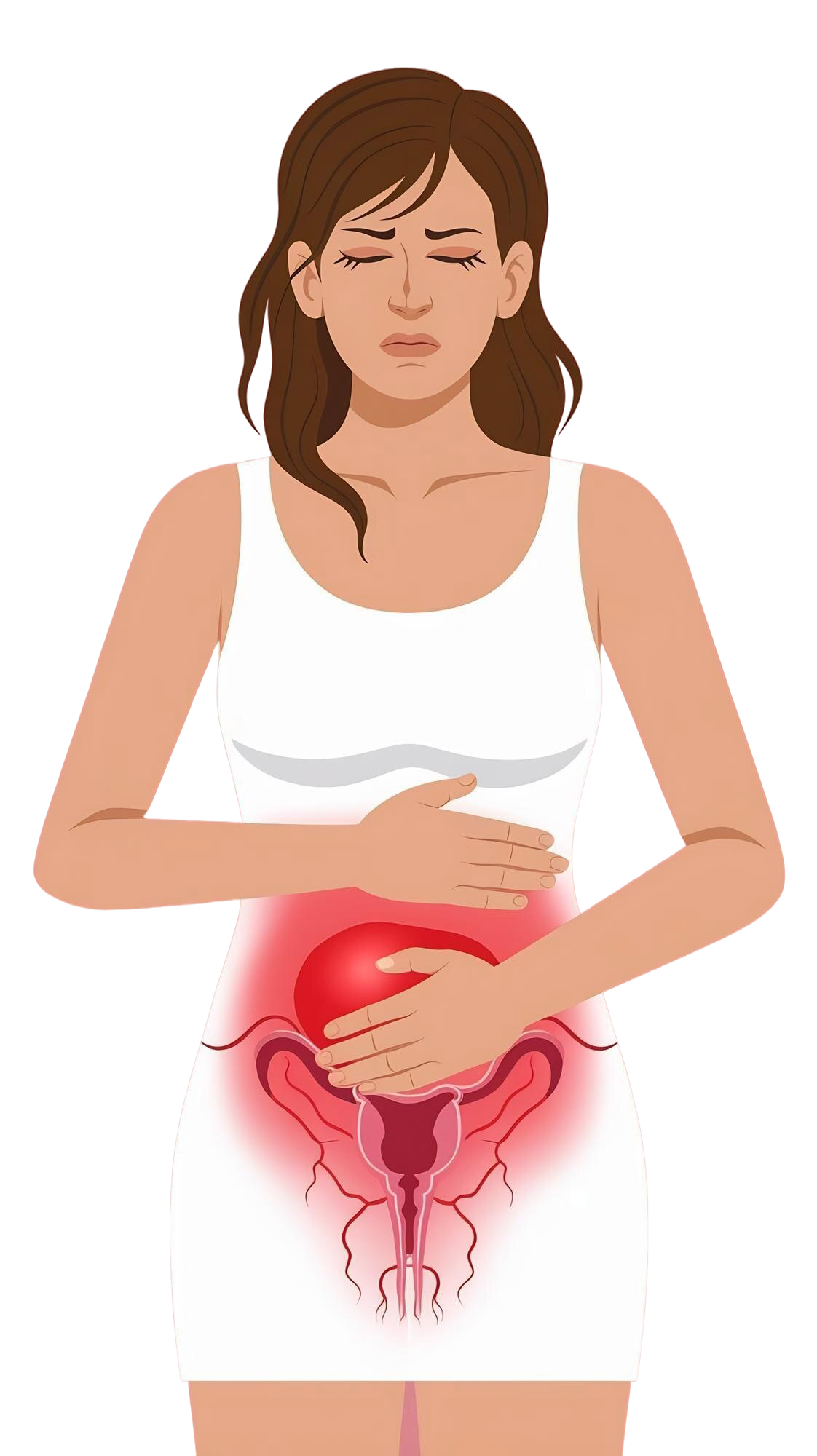
Urinary incontinence is the involuntary leakage of urine, which can significantly impact daily life, confidence, and overall well-being. It can occur in women due to childbirth-related injuries, perineal trauma, aging, or other medical conditions.
At our clinic, Dr. Padma Bharathi Pathi, a consultant gynaecologist with over 30 years of global experience, provides expert assessment and treatment for women experiencing incontinence, helping them regain control and improve quality of life.

Causes of Urinary Incontinence
Common causes include:
- Perineal trauma from childbirth – tearing or episiotomy injuries
- Weak pelvic floor muscles
- Pelvic organ prolapse
- Menopause-related hormonal changes
- Urinary tract infections or chronic medical conditions
Identifying the root cause is crucial for effective management and long-term relief.
Symptoms to Watch For
Women with urinary incontinence may notice:
- Leakage of urine when coughing, sneezing, or laughing (stress incontinence)
- Sudden urge to urinate followed by leakage (urge incontinence)
- Frequent urination or difficulty emptying the bladder
- Leakage after pelvic trauma or surgery
Dr. Padma Bharathi Pathi offers a comprehensive and personalized approach to manage urinary incontinence:
Non-Surgical Management
- Pelvic floor physiotherapy – exercises to strengthen and support the bladder and pelvic muscles
- Bladder training and lifestyle modifications – to improve bladder control
- Medications – to manage urge incontinence or overactive bladder
Surgical Management
When conservative treatments are insufficient, surgical options may be considered:
- Perineal repair surgeries – to restore normal anatomy after trauma
- Pelvic floor reconstruction – for severe cases or prolapse-related incontinence
Post-Treatment Support
- Guidance on rehabilitation exercises
- Support for long-term pelvic health
- Advice on prevention of recurrence
Over 30 years of international experience in managing women’s health conditions
Expertise in advanced surgical and minimally invasive techniques
Holistic, patient-centered care from diagnosis to treatment and recovery
Focus on restoring function, confidence, and quality of life