
Managing Perimenopause and Menopause Problems
Understanding Perimenopause and Menopause
Perimenopause is the transitional phase before menopause, typically starting in a woman’s 40s, while menopause is confirmed after 12 consecutive months without a menstrual period. These changes occur due to declining estrogen and other hormonal shifts, which can lead to a variety of physical and emotional symptoms.
At our clinic, Dr. Padma Bharathi Pathi, with over 30 years of global experience, provides expert guidance and treatment to help women navigate this natural life stage with comfort and confidence.
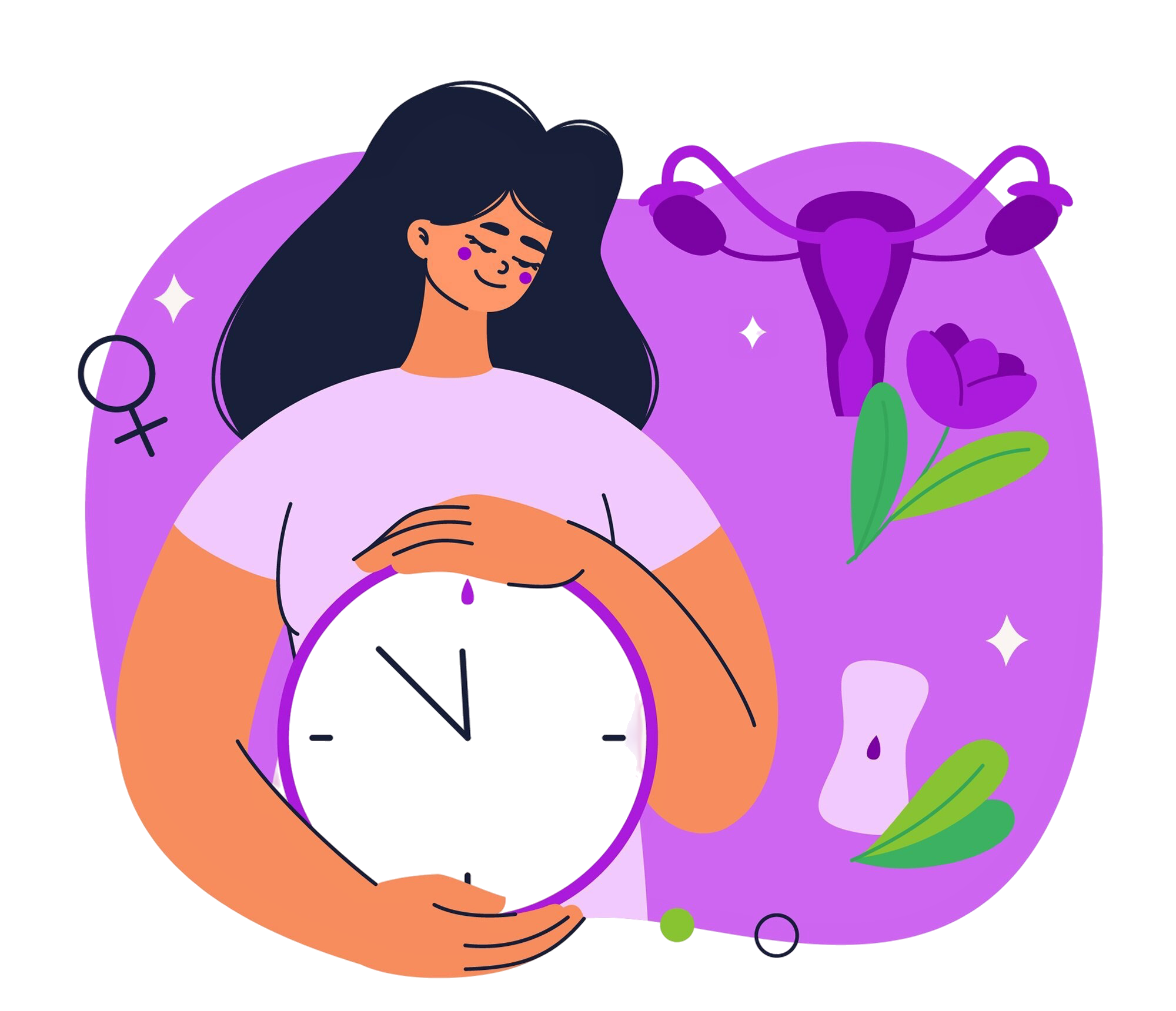
Common Symptoms
Women may experience a combination of physical and emotional changes, including:
- Hot flashes and night sweats
- Irregular periods or heavy bleeding
- Mood swings, anxiety, or depression
- Vaginal dryness and discomfort during intercourse
- Sleep disturbances
- Weight changes and reduced bone density
Identifying and addressing these symptoms early can improve quality of life and prevent long-term health issues.

Dr. Pathi offers a personalized and holistic approach to managing perimenopause and menopause problems:
Hormonal Management
- Hormone Replacement Therapy (HRT): To relieve hot flashes, night sweats, mood swings, and vaginal dryness.
- Bioidentical hormone therapy: Customized hormone solutions for optimal balance.
Non-Hormonal Treatments
- Lifestyle guidance, including exercise and nutrition to manage symptoms and maintain bone health.
- Medications for sleep disturbances, mood management, or cardiovascular support.
- Vaginal moisturizers and local treatments for dryness and discomfort.
Preventive Health Care
- Screening for osteoporosis, cardiovascular risk, and breast health
- Guidance on weight management, diet, and mental well-being
- Support for long-term healthy aging
Over 30 years of international experience in women’s health and gynaecology
Expertise in hormonal and non-hormonal treatment options
Focused on individualized care tailored to each woman’s needs
Compassionate support for both physical and emotional aspects of menopause