
Vaginal Prolapse – Surgical and Non-Surgical Management
Understanding Vaginal Prolapse
Vaginal prolapse occurs when the pelvic organs, such as the uterus, bladder, or rectum, descend into the vaginal canal due to weakened pelvic floor muscles and supporting tissues. This condition is common in women who have experienced childbirth, menopause, or pelvic surgery, and it can affect daily life, mobility, and overall health.
At our clinic, Dr. Padma Bharathi Pathi, a consultant gynaecologist with over 30 years of international experience, provides comprehensive assessment and treatment for vaginal prolapse, ensuring each patient receives personalized care.
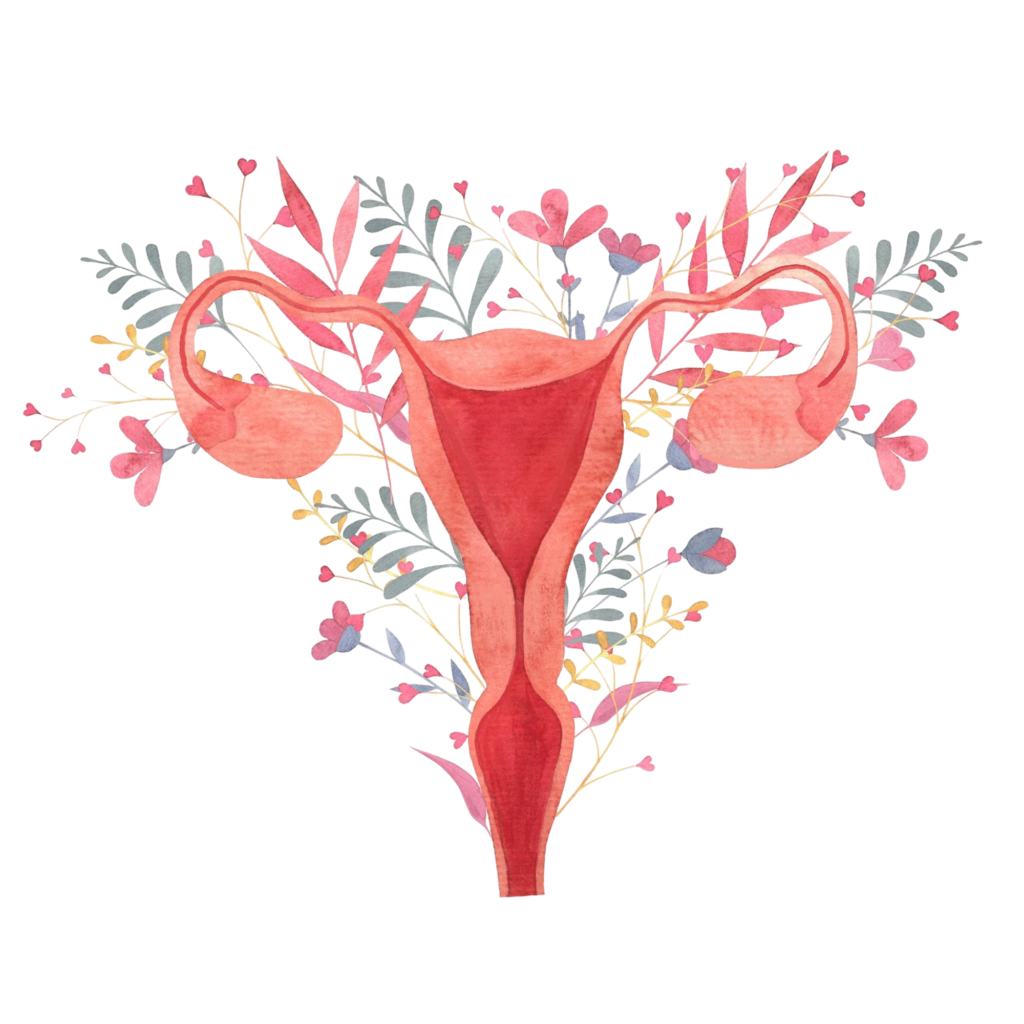
Symptoms of Endometriosis
Women with vaginal prolapse may experience:
- A feeling of fullness, pressure, or heaviness in the pelvis
- Bulging tissue at the vaginal opening
- Urinary problems, including incontinence or difficulty emptying the bladder
- Bowel difficulties, such as constipation or straining
- Discomfort during intercourse
- Lower back pain or pelvic aches
Causes of Vaginal Prolapse
Common causes include:
- Weakening of pelvic muscles after childbirth or vaginal deliveries
- Aging and menopause leading to decreased estrogen levels
- Chronic straining due to constipation or heavy lifting
- Previous pelvic surgery affecting support structures
- Genetic predisposition to weak connective tissue

Dr. Padma Bharathi Pathi offers both non-surgical and surgical options tailored to the severity of prolapse and the patient’s lifestyle, age, and overall health.
Non-Surgical Management
- Pelvic floor exercises (Kegel exercises) to strengthen support muscles
- Vaginal pessaries - removable devices that provide internal support
- Lifestyle modifications – including weight management and avoiding heavy lifting
- Bladder and bowel training to improve function and reduce symptoms
Surgical Management
When conservative measures are insufficient, surgical intervention may be recommended:
- Vaginal repair procedures to restore pelvic organ support
- Hysterectomy or uterine suspension, depending on individual needs
- Minimally invasive laparoscopic or robotic surgery for faster recovery
- Pelvic floor reconstructive surgery for complex or recurrent prolapse
Over 30 years of international experience in gynaecology and pelvic reconstructive surgery
Expertise in minimally invasive procedures and advanced surgical techniques
Patient-centered care focusing on comfort, safety, and long-term results
Comprehensive follow-up and rehabilitation support